I’ve been a homeowner for many years, and over that time I’ve come to understand just how important general maintenance is. The trouble is, there’s so much to think about that it’s easy to lose track. That’s why I’ve pulled together this home maintenance checklist.
It breaks the year into small, seasonal jobs so nothing gets missed and nothing turns into an expensive repair. For most UK homes the big ones are clearing gutters, servicing the boiler, checking the roof, testing smoke and carbon monoxide alarms, and keeping the house ventilated to stop damp. They’re all covered here, month by month and season by season, with tick boxes ready to go.
I’ve spent over 20 years in home renovation and maintenance, and most of the call outs I see come down to something small that was missed months earlier. A blocked gutter that soaks a wall. A slipped tile nobody spotted. A boiler that was never serviced. This is the routine I follow in my own house, and I hope it helps you keep on top of things before they get out of control.
Your Home Maintenance Checklist at a Glance
Stay on top of essential home maintenance throughout the year. Here’s a quick overview of the jobs to prioritise each season, with full checklists and advice below.
Spring
March – MayInspect winter damage and get your home and garden ready for warmer weather.
- Inspect roof and tiles
- Clear gutters
- Check for damp
- Inspect fences and gates
- Clean patios and decking
- Check loft insulation
Summer
June – AugustMake the most of dry weather to complete outdoor repairs and improvements.
- Paint exterior woodwork
- Protect metalwork
- Inspect roof and chimney
- Check windows and doors
- Replace damaged sealant
- Clear outside drains
Autumn
September – NovemberPrepare your property for cold weather, heavy rainfall and winter storms.
- Clear fallen leaves
- Service the boiler
- Sweep the chimney
- Bleed radiators
- Insulate exposed pipes
- Draught-proof doors
Winter
December – FebruaryMonitor your home during bad weather and prevent costly winter damage.
- Check the stopcock
- Protect pipes from frost
- Inspect after storms
- Control condensation
- Keep paths safe
- Test carbon monoxide alarms
Select a season to jump to the full maintenance checklist and practical advice.
Download the printable version:
The Five Jobs That Matter Most

If you only do five things each year, make it these:
- Clear the gutters and downpipes (autumn, and again in spring)
- Have the boiler serviced by a Gas Safe registered engineer (before winter)
- Check the roof from the ground after winter and after storms
- Test smoke and carbon monoxide alarms every month
- Keep the house ventilated and deal with damp as soon as you spot it
How to use this checklist
You do not need to do everything at once. Print the PDF or bookmark this page, then work through the monthly checks and the section for the current season. Tick off each job as you go and note the date next to anything you fix or book in.
A few ground rules:
- Work from the ground wherever you can. Use binoculars to look at the roof, or a drone if you own one and know the rules. Never walk on a roof.
- Use a proper ladder, ideally with someone footing it, and never lean out to reach.
- Fix small problems early. A loose roof tile costs very little to replace. Water getting under it for a winter costs a lot more.
- Keep a simple log of dates and what you found. It helps you spot patterns and is useful if you ever claim on your insurance or sell the house.
A common rule of thumb is to set aside around 1% of your home’s value each year for maintenance and repairs. Not every year will need it, but it takes the sting out of the bigger jobs when they come.
Monthly Home Maintenance Checklist

These quick checks take minutes and catch problems before they grow.
- Test smoke and carbon monoxide alarms. Press the test button on every alarm. Replace batteries if they chirp, and replace any alarm that is past its date.
- Check under sinks and around the washing machine for leaks. Look for damp cupboard bases, drips or staining on pipes and hoses.
- Clean extractor fans and cooker hood filters. Grease and dust cut airflow, and poor ventilation is a leading cause of condensation and mould.
- Clean the washing machine, dishwasher and tumble dryer filters. Clogged filters waste energy and shorten the life of the appliance.
- Clear plugholes and sink drains. Hair and soap build up slowly, then block all at once.
- Check for damp, mould and condensation. Look at window reveals, the corners of external walls and behind furniture. Read more about mould removal here.
- Check the boiler pressure. Most are meant to sit between 1 and 1.5 bar when the system is cold, but check your manual.
- Run taps and flush toilets in rooms you rarely use. It keeps traps full and stops smells.
- Test the RCD button on your consumer unit every few months. It should trip the circuit. If it does not, call an electrician.
Spring Home Maintenance Checklist (March to May)

Spring is for finding out what the winter did to the house. Walk round the outside first, then the loft, then the inside.
- Check the roof for storm damage. Look for slipped, cracked or missing tiles and damaged ridge or flashing. Binoculars from the ground are enough for a first look. Read more about how to spot a damaged roof here.
- Clear gutters and downpipes again. Winter debris, moss and seed heads collect quickly. How to clean gutters.
- Look for damp patches inside. Ceilings and the tops of walls are where roof and gutter leaks show first.
- Check brickwork, render and pointing. Winter frost and wind-driven rain open up hairline cracks. Water getting in at pointing or render is a common source of damp.
- Inspect fences, gates and posts. Probe the base of timber posts with a screwdriver. If it sinks in easily, the post is rotting and needs attention before the next storm.
- Clean patios, paths and decking. Algae makes surfaces slippery. Treat or oil decking once it has fully dried.
- Check external taps and outdoor pipework. Make sure nothing split in the frost, and turn the outside tap back on.
- Check the loft. Look for damp patches on the underside of the roof, moved insulation and any signs of pests. Mineral wool insulation should be around 270mm deep.
- Service the lawnmower and garden tools. Sharpen blades, check the fuel and oil, and replace worn parts before the first cut.
- Deep clean and declutter. Move furniture, clean behind appliances and wash windows inside and out.
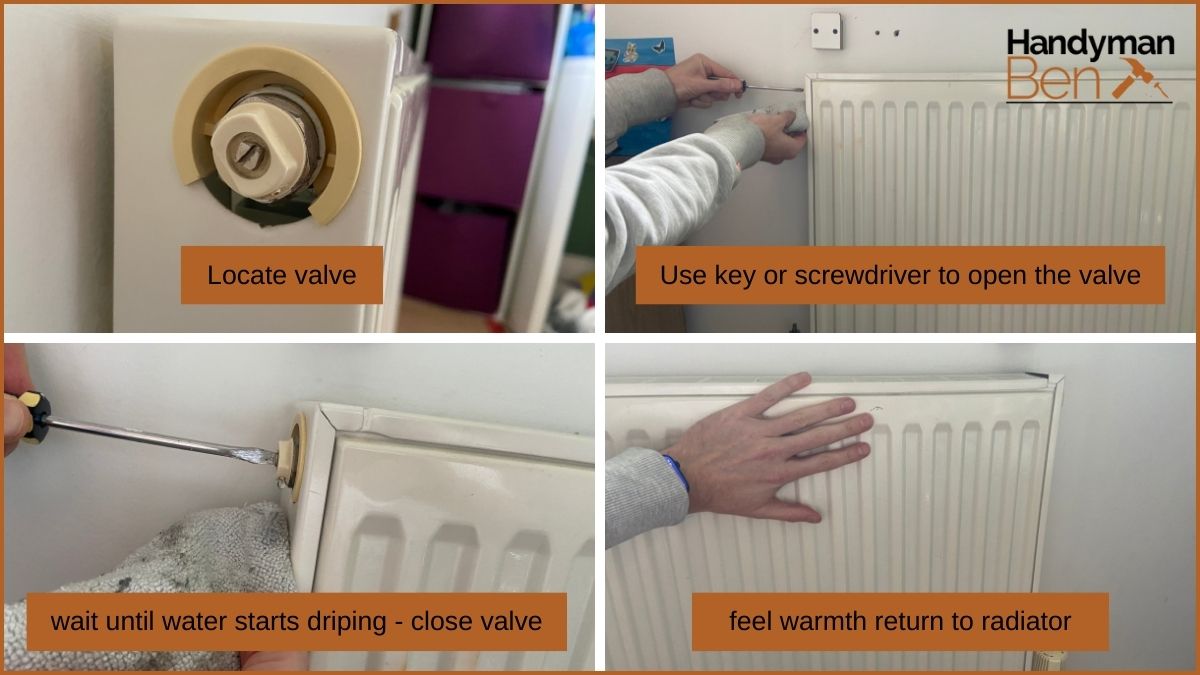
- Bleed radiators if you have not already. Ideally this is done in autumn, but spring is a good time to spot cold radiators before the heating goes off. How to bleed radiators
Summer Home Maintenance Checklist (June to August)

Dry, settled weather is the best time for outdoor repairs and decorating. Use it.
- Treat and repaint exterior woodwork. Fascias, soffits, sheds, fences and gates all need a dry spell. Sand back, prime bare timber and use a good-quality exterior finish.
- Repaint tired exterior metalwork. Garage doors, gates and railings pick up rust quickly, especially near the coast. How to paint a garage door
- Do the big roof check while access is easy. If tiles are loose or flashing has lifted, book a roofer now rather than in October.
- Check chimneys and chimney pointing. Look for crumbling mortar, cracked pots and loose flashing at the base.
- Look at windows and doors. Check seals, frames, hinges and handles. Lubricate locks and hinges and adjust any doors that rub.
- Reseal bathroom and kitchen silicone. If sealant is black, cracked or peeling, strip it and redo it. Cracked grout and failed sealant let water into walls and floors.
- Check drainage. Clear gullies and surface drains, and make sure water runs away from the house, not towards it.
- Check air conditioning units, fans and dehumidifiers. Clean filters and make sure they work before you need them.
- Check for wasps and pests. Look in the loft, eaves and sheds before nests get established.
- Clean gutters if trees overhang. Early leaf drop and seed fall can still block them.
Autumn Home Maintenance Checklist (September to November)

Autumn is the most important season for home maintenance. The work you do now decides how the house copes with winter.
- Clear gutters and downpipes after the leaves fall. This is the single most important autumn job. Check them again in late autumn if you have trees nearby. Benefits of proper gutter maintenance
- Have the boiler serviced. Book a Gas Safe registered engineer before the first cold snap, when diaries fill up. Many manufacturers also require an annual service to keep the warranty valid.
- Have the chimney swept. If you have a wood burner, open fire or solid fuel stove, get the chimney swept before you start using it heavily. Use a qualified sweep and keep the certificate for your insurer.
- Bleed radiators and check the system pressure. Cold patches at the top of a radiator mean trapped air. How to bleed radiators
- Insulate exposed pipes. Lag pipes in lofts, garages, outbuildings and under floors before the first frost.
- Protect or drain outside taps. Turn off the supply, drain the tap and fit an insulated cover.
- Check loft insulation and ventilation. Insulation should not block the eaves, because the roof needs airflow.
- Draught proof windows and doors. Replace worn seals and brush strips. It keeps the heat in and the condensation down.
- Check the roof and chimney again before the storms. Sort loose tiles now.
- Clear drains, gullies and soakaways of leaves.
- Make fences, gates and sheds storm ready. Fix loose panels, secure shed doors and check felt roofs.
- Store or protect garden furniture and tools.
- Check smoke and CO alarms and fire extinguishers. Heating season increases the risk, so test now and fit new batteries if needed.
- Check for moss growth on the roof. Heavy moss holds water against tiles. Have it removed by hand or with a suitable treatment rather than blasting it with a pressure washer, which can damage tiles.
Winter home maintenance checklist (December to February)

Winter is mostly about monitoring and reacting quickly. Keep an eye on the house, especially after storms and frosts.
- Know where your stopcock is and make sure it turns. If a pipe bursts, you need to shut the water off in seconds.
- Keep the heating on a low frost setting if you go away. A little heat is far cheaper than a burst pipe.
- Check gutters and downpipes after heavy rain and high winds. Water pouring over the edge means something is blocked.
- Inspect the roof from the ground after any storm. Look for slipped tiles, loose ridge or flashing.
- Watch for damp and condensation. Wipe condensation from windows daily if you can. Run extractor fans and open windows briefly each day.
- Keep trickle vents open and clear. They are there for a reason.
- Do not dry washing on radiators in unventilated rooms. It adds large amounts of moisture to the air.
- Check the lagging on pipes and outside taps. Replace anything that has slipped or perished.
- Clear ice and moss from paths, steps and drives. Trip hazards are the most common winter injury at home.
- Test CO alarms. Heating use goes up, and so does the risk.
- Plan spring jobs and book trades early. Roofers, decorators and builders fill up fast once the weather improves.
Every Few Years

Some jobs do not need doing annually, but they should be on your radar.
- Electrical inspection (EICR). A periodic inspection by a qualified electrician is generally recommended every 10 years for an owner occupied home, and when you buy a property. Landlords need one at least every 5 years.
- Replace smoke alarms. Most should be replaced every 10 years, and CO alarms in line with the date printed on them.
- Repaint the exterior. Masonry paint and woodwork finishes typically last several years, but coastal weather shortens that.
- Top up loft insulation. If yours is thinner than about 270mm, adding more is one of the most cost effective improvements you can make.
- Check flat roofs and felt. These have a shorter lifespan than pitched roofs and need regular inspection.
- Septic tank or private drainage. If you are not on mains drainage, have the tank emptied and the system checked regularly. How often depends on the size of the tank and the household, so ask your contractor.
Extra Checks for Cornwall and Coastal Homes
Living near the coast adds a few jobs that national checklists tend to miss. Salt, wind and driven rain are all harder on a house.
- Rinse salt off windows, frames and doors. Salt build up speeds up corrosion and degrades seals and paintwork.
- Check metal fixings for rust. Look at gutter brackets, fence fixings, hinges, gate latches and garage door hardware.
- Inspect render and pointing more often. Wind-driven rain pushes water through weak spots that would be fine in a sheltered area.
- Check roof fixings after big gales. Exposed coastal roofs take the worst of it, so look at ridge tiles, verges and flashings.
- Ventilate and watch for condensation. Cornish air is damp, so ventilation matters year round.
- Use exterior finishes rated for exposure. Cheap paint and stain often fail within a season near the sea.
DIY or Call a Professional?
Most of the jobs on this list are straightforward if you are careful. Some are not.
Fine to DIY: testing alarms, cleaning appliance filters, clearing gutters from a safe ladder, bleeding radiators, lagging pipes, resealing silicone, treating fences and decking, draught proofing.
Call a professional: anything involving gas or the boiler (Gas Safe registered engineers only), electrical faults, chimney sweeping, roof repairs, structural cracks, persistent damp, and any work at height you are not comfortable with.
If in doubt, ask. It is cheaper to pay for advice than to fix a mistake.
Commonly Asked Questions
What should be on a home maintenance checklist?
A good checklist covers monthly checks (alarms, leaks, ventilation, filters), seasonal jobs (gutters, roof, boiler, pipes, fences) and less frequent tasks (electrical inspection, alarm replacement, exterior painting). Split it by season so each job is done at the right time of year.
How often should you do home maintenance?
Some checks are monthly, such as alarm tests and a look under sinks. Most are seasonal, and a few, like electrical inspections, are every few years. Doing a short walk round the house each season catches most problems early.
When is the best time to clean gutters?
Autumn, once most of the leaves have come down, and again in spring to clear winter debris. If you have trees overhanging, you may need a third clear in late autumn.
Do I need to service my boiler every year?
It is strongly recommended, and many manufacturers require an annual service to keep the warranty valid. Landlords must also have a gas safety check each year. Always use a Gas Safe registered engineer.
How often should a chimney be swept?
At least once a year if you use it regularly, and more often if you burn wood frequently. Ask a qualified sweep how often is right for your appliance and fuel.
Can poor maintenance affect my home insurance?
Yes. Most policies exclude damage caused by wear and tear or a lack of maintenance, so keeping on top of the basics, and keeping a record, protects you if you ever need to claim. Check your own policy wording for details.
How much should I budget for home maintenance?
A common rule of thumb is around 1% of your home’s value per year, though older properties often need more. Set the money aside even in quiet years so bigger repairs do not come as a shock.
Need a hand with the jobs on this list?
If you would rather have someone else tackle the fence repairs, painting, sealant, minor repairs and other odd jobs on this checklist, I am a local handyman based in Newquay, Cornwall. Get in touch for a quote.
Bookmark this page and come back each season. I update it every year as I find better ways of doing things.